How to Get Around Berlin: Transport, Zones and Tickets
Berlin has one of the best public transport systems we’ve experienced, with buses, trains, metro lines, and trams all connected through a simple and efficient system.
What You’ll Find in This Guide
Types of public transport — S-Bahn, U-Bahn, buses and trams
Transport zones — how Berlin is divided
Tickets and prices — main options and costs
Which ticket to choose — what works best depending on your trip
Inspectors and fines — what to know before you travel
Other ways to get around — bikes, scooters and car sharing
Our experience — how we moved around the city
How to Get Around Berlin
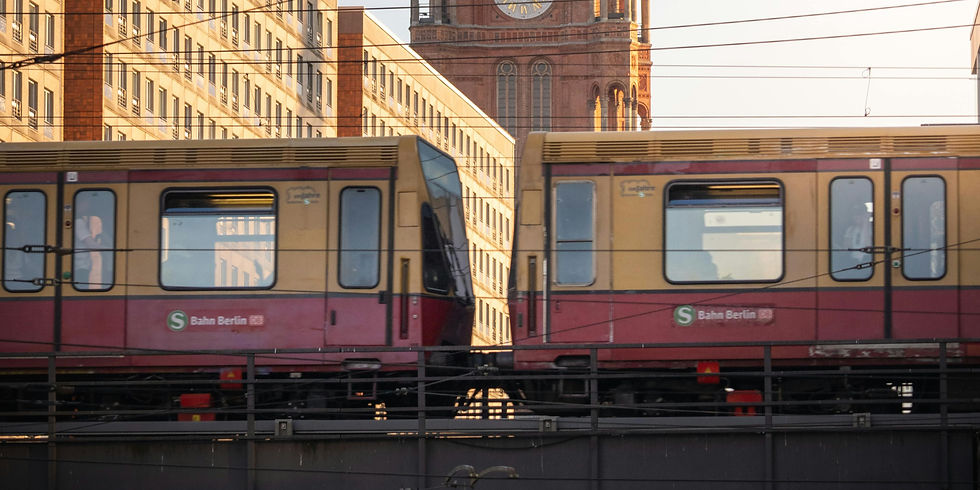
🚂 Train (S-Bahn)
These trains connect Berlin with its surrounding areas and are great for covering longer distances quickly.
Schedules:
Monday to Thursday: 4:30 AM to 1:30 AM
Friday to Sunday and public holidays: most lines run all night
🚇 Metro (U-Bahn)
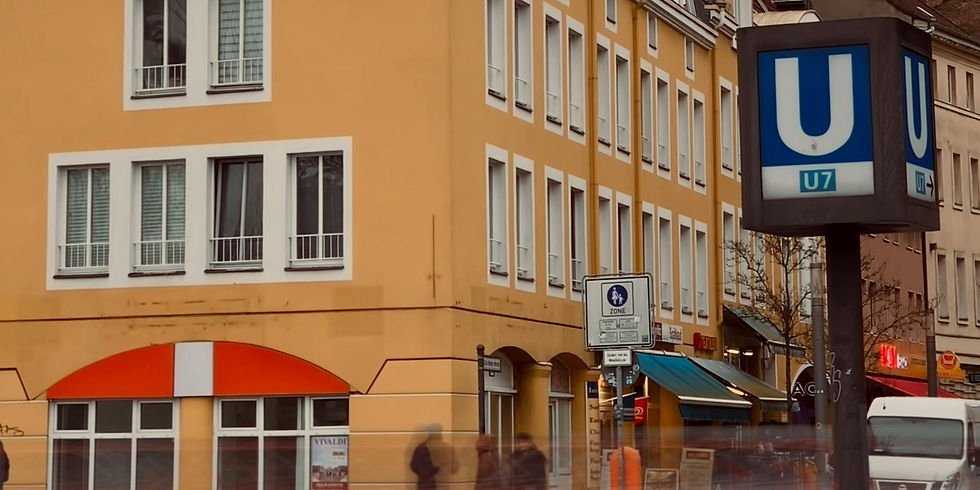
This is one of the easiest ways to move around the city. Most stations have elevators or ramps, so it’s very accessible if you’re traveling with luggage, a stroller, or a wheelchair.
Schedules:
Monday to Thursday: 4:00 AM to 1:00 AM
Friday to Sunday and public holidays: most lines run all night
🚌 Bus
The bus network covers the entire city and includes more than 40 night lines, perfect if you’re out late.
Schedules:
Day lines operate from 4:30 AM to 1:00 AM
Night lines run from 12:30 AM to 4:30 AM
Metrobus lines operate 24/7
🚃 Tram
Another great option, especially in the eastern parts of the city. It’s practical, reliable, and easy to use.
Schedules:
Operates almost 24 hours a day

Public Transport Zones in Berlin
Public transport is divided into 3 fare zones:
Zone A: city center (inside the Ring)
Zone B: the rest of Berlin
Zone C: surrounding areas, including Berlin Brandenburg Airport (BER) and Potsdam
Berlin’s public transport is operated by BVG. To choose the right ticket, think about how many days you’ll stay, where you’ll be based, and how much you plan to move around.
Tickets can be purchased at:
ticket offices or machines in S-Bahn or U-Bahn stations
tourist information offices
online through the BVG Tickets app
Official BVG maps and routes:
If you want to see all metro, S-Bahn, tram, and bus maps to plan your routes around Berlin, you can view and download them by clicking here.
Most Common Types of Tickets
There are different types of tickets depending on how long you need them. The most commonly used are:
Single ticket (120 min): €3.80 (AB), €4.30 (BC), or €4.70 (ABC)
Day ticket (individual): €10.60 (AB), €11.20 (BC), or €12.30 (ABC)
Group day ticket (up to 5 people): €33.30 (AB), €34.40 (BC), or €35.50 (ABC). This is unbeatable if you’re traveling in a group
Monthly pass: from €106.50 (AB)
Inspectors and Fines
There are no entry barriers, so you need to validate your ticket before traveling.
Inspectors are dressed in plain clothes, and fines are over €60.
Which Ticket Is Best for Your Trip?
We used the monthly pass since we lived there for a while and got the one that covers all zones so we could travel freely. The easiest way for us was using the app, although keep in mind it’s important to always be able to show a valid ticket. For example, if your phone runs out of battery and an inspector shows up, you could still get fined (even though you can appeal it later).
In our case, since we were staying for a longer period, the monthly pass was the best option.
But depending on your type of trip, the ideal choice may vary:
If you’re staying 1 or 2 days: the individual day ticket is usually the most practical, especially if you plan to move around a lot
If you’re traveling in a group (up to 5 people): the group day ticket is a great option and often cheaper than buying separate tickets
If you’re staying several days: it’s worth evaluating whether daily tickets or multi-day passes are more convenient depending on how much you’ll travel
If you’re staying a month or more: the monthly pass is without a doubt the most convenient and cost-effective option for unlimited travel
In all cases, it’s important to consider:
where you’ll be staying
what places you want to visit
how many trips you’ll make per day
That will help you choose the right ticket and avoid overpaying.
Other Ways to Get Around Berlin
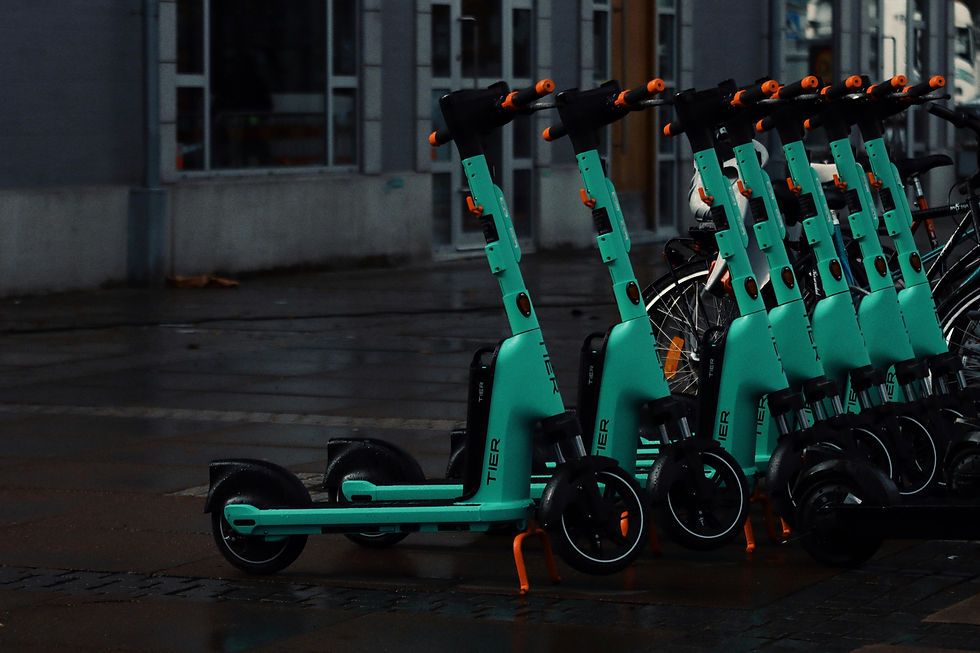
Another popular way to get around is by bike or electric scooter. There are bike lanes connecting almost the entire city, which makes it a very practical way to get around.
❗️You can rent bikes or scooters through apps like Lime, Voy, or Tier.❗️
Finally, there are also car-sharing apps 🚗 such as:
Miles, which charges per kilometer
Share Now, which charges per minute
Our Experience Getting Around Berlin
In our experience, Berlin is one of the European cities with the best public transport systems: it’s usually very punctual and delays are not that common. You can find all schedules on screens at stops and also on Google Maps, which makes planning routes much easier.
Back to the Complete Berlin Guide
Getting around Berlin is actually very easy once you understand how the transport system works and which ticket makes the most sense for your trip.
If you’re planning your itinerary, in our Complete Berlin Travel Guide you’ll find all the other posts to keep organizing your trip:
Where to stay in Berlin
What to see and do (musts)
Parks and lakes
Alternative side: markets, vintage, and nightlife
Our experience living in the city
That way, you can explore each section depending on what interests you most and build your itinerary much more easily.



Comments