Tokyo in 3 Days — Complete Itinerary & Route Through the City
Updated: May 29
A city that constantly surprises you, makes you look in every direction, and always has something new to show. Tokyo shines with lights everywhere, giant screens and streets full of life but it also holds those pockets where you feel like you’ve stepped into an anime film, everything traditional and quietly magical at once.
Tokyo in 3 Days — What You’ll Find in This Itinerary
Each Tokyo neighborhood feels like its own world, with a completely different energy. To make planning easier, here’s the exact route we followed day by day, combining classic areas, modern districts, and experiences that feel genuinely different from one another.
Tokyo in 3 Days
This itinerary is based on our real trip to Tokyo, where we spent three full days exploring the city.
DAY 1 — Asakusa: Sensō-ji Temple, a walk along Nakamise-dori, and first steps into Tokyo’s most traditional side.
DAY 2 — Akihabara & Shibuya: Anime, manga, and electronics in Akihabara, then lights, fashion, and urban energy in the afternoon.
DAY 3 — Harajuku & Shinjuku: Meiji Shrine, creative streets, and neon-lit nightlife.
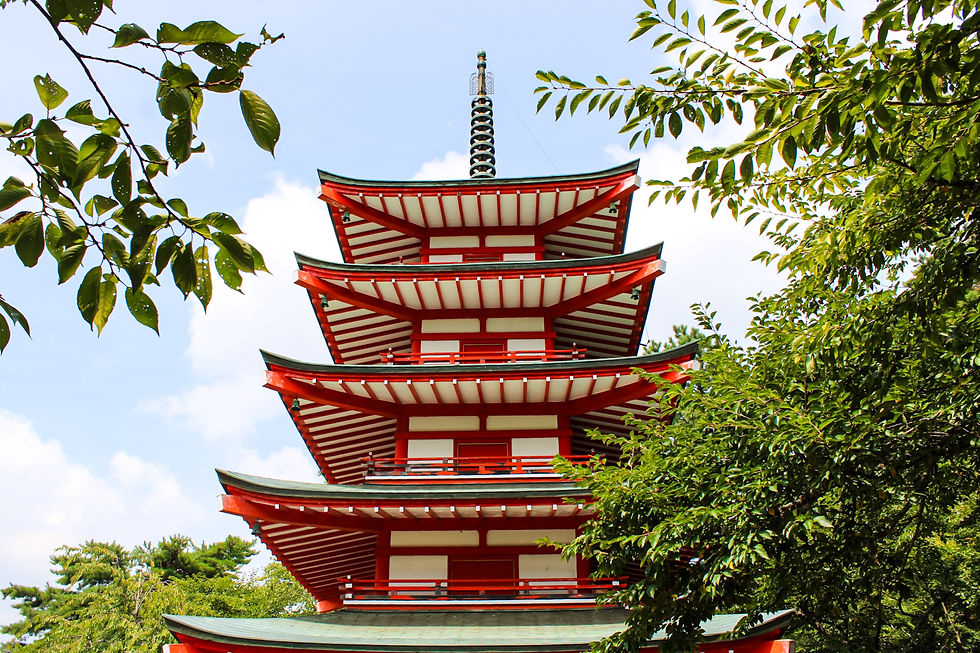
🌋 Optional day trip — Mount Fuji
If you have an extra day or feel like stepping out of the city rhythm, a trip to Mount Fuji is incredible — and a total contrast to Tokyo.
🧾 Plus Tip
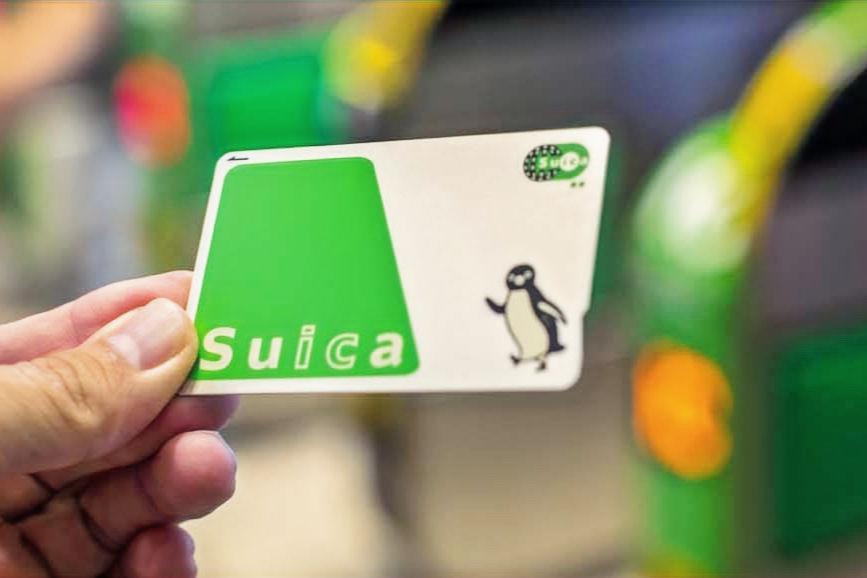
To get around the city, we recommend our guide on how to use the Suica card in Tokyo.
DAY 1
ASAKUSA
The heart of traditional Japan: temples, historic lanes and living tradition.
Where we stayed...
We stayed at Hotel Plus Hostel TOKYO ASAKUSA 1, a traditional-style hostel in a central location with easy connections to Tokyo’s main neighborhoods.
They offer female, male, and mixed dorms with capsule-style beds (great for privacy) and bathrooms. Showers are on a separate floor, gender-segregated, and follow the traditional Japanese setup: side-by-side washing stations with low stools and faucets so you wash while seated. You fully wash and rinse first, and only then enter the ''sento'' (an artificial hot public bath very common in Japan). There’s also a sauna.
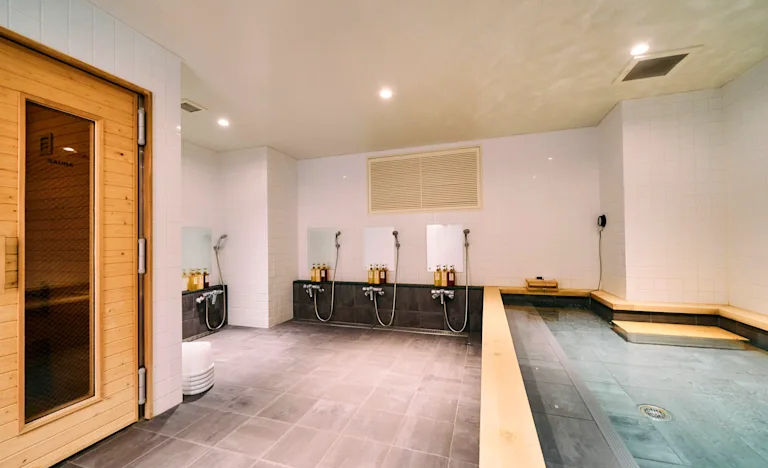
If you’ve never used a Japanese public bath before, it can feel unusual at first, but it was such an authentic experience.
First stop: Sensō-ji Temple
We arrived in Tokyo in the late afternoon, with that familiar travel fatigue but also the excitement of finally being there. Our first stop was Sensō-ji, the city’s oldest and most visited Buddhist temple.
Asakusa preserves the essence of traditional Japan right in the middle of modern Tokyo. After visiting the temple, we kept wandering through streets filled with history, red lanterns, and small local shops.
Second stop: Nakamise-dori
We walked along Nakamise-dori, the shopping street that runs from Kaminarimon Gate to Sensō-ji, lined with sweets, crafts, and classic souvenirs.
Just off the main avenue, we found the narrow, typical Asakusa streets (tiny restaurants and home-style cooking aromas) where we had our first taste of traditional Japanese food.
🍜 Dinner at Teuchi-udon Kanoya
A classic stop if you want authentic handmade udon. Small and very cozy, with that traditional atmosphere that makes you feel tucked into a real corner of Japan. The udon were delicious, and the service was genuinely warm from the moment we walked in.

🐡 Dessert at Taiyaki Sawada
We grabbed a taiyaki, a fish-shaped Japanese cake made from pancake-style batter and filled inside. Mine was Nutella, and honestly, incredible: warm and fluffy. A classic Japanese street snack and absolutely worth trying.
Last stop: Asakusa Batting Stadium
To end our first night in Tokyo, we went to Asakusa Batting Stadium, a small batting center with automated cages. Such a different and fun way to wrap up the evening.
DAY 2
AKIHABARA & SHIBUYA
Alright! this is where the non-stop exploring begins. Early wake-up, legs activated.
☕️ Breakfast at Mocca Coffee Asakusa Cafe
Tiny and very welcoming, great coffee and perfect pastries. Also, genuinely kind service.
AKIHABARA
Geek paradise: anime, manga, and electronics.
Akihabara is the symbolic heart of Japanese geek and pop culture. Streets packed with electronics shops, anime figures, manga, video games, and every kind of gadget imaginable. Plus maid cafés, arcades, capsule machines, and themed corners that make it completely unique.
First stop: Radio Kaikan.
About 30 minutes from Asakusa by public transit.
A landmark multi-story building filled with figures, manga, and anime merchandise.
Every floor has something different — the kind of place where you “browse for a bit”… and suddenly it’s been a long while. Trust us, you’ll stay much longer than planned.

Second stop: GiGO Akihabara
A massive arcade with video games, claw machines, and VR. Impossible not to spend time playing.
(Sadly, it recently came to our attention that it has permanently closed since late August 2025🙁)

MUST STOP — Gashapon

Capsule machines with surprise anime figures, keychains, and mini collectibles. There are entire stores dedicated just to these. It’s basically impossible not to try a few times.
🍣 Lunch at Sushiro:
Time to eat. We stopped at this sushi train chain, very popular in Japan. Perfect for something good and varied without spending much. You order from a screen, and within minutes the plates arrive on a conveyor belt.
SHIBUYA
Youth energy and fashion: lights, cafés, and streets that never stop.
A vibrant, modern district famous for Shibuya Crossing, neon lights, shops, and cafés.
Third stop: Shibuya Crossing
The iconic crossing surrounded by neon, original shops, and cafés on every corner. The best way to experience it is simply to wander, no destination, just getting lost and discovering new corners.
Fourth stop: Shibuya Shopping and Culture
You’ll find malls like Shibuya 109 and countless urban-style boutiques. Honestly, Japanese fashion is on another level — effortlessly cool and creative.
You’ll also find:
Pokémon Center (PARCO)
Loft for souvenirs
Hachiko statue
Shibuya Sky observation deck
🍜 Dinner at Oreryū Shio Ramen Shibuya Sōhonten
Flavorful broth, generous portions, and great value.

DAY 3
HARAJUKU & SHINJUKU
HARAJUKU
Creativity and individuality: eccentric fashion, original shops, and pop culture everywhere.
☕️ Breakfast at CAFE REISSUE
We know it’s technically in Shibuya, but it’s only a few minutes’ walk to Harajuku and we absolutely had to try it. Here you can order coffee with 2D or 3D foam art: characters, pets, or even a custom photo.
Now: we recommend it more for the experience and the photo than the food. It’s pricey and the menu is limited, but the foam art is 100% worth it.

First stop: Meiji Shrine
A peaceful, traditional shrine dedicated to Emperor Meiji and his wife, right in the middle of the city. It’s surrounded by a vast forest that invites you to slow down and disconnect from the urban noise.
It’s also known for ema: small wooden plaques where visitors write wishes and hang them at the shrine.

Santuario Meiji, Tokio 
Second stop: Takeshita Street
And then straight back into the chaos. Five minutes away on foot, Takeshita Street is pure energy: wildly original clothing and accessories, cafés, and endless strange-and-fun snacks.
It’s impossible not to stop every few steps to browse or try something sweet.
🧁 Sweet stop at Marion Crêpes Takeshita Street
A signature dessert of Harajuku’s youth and kawaii culture: crêpes filled with fruit, cream, chocolate and plenty of other unexpected combinations.
Can’t-miss spots in Harajuku
🔹 Omotesando: elegant tree-lined avenue with couture boutiques, striking modern architecture, and stylish cafés
🔹 Backstreets: vintage shops and alternative fashion
🔹 Cas:pace: “wearable art” phone cases inspired by Japanese culture (vending machines, convenience stores)
🔹 Dear You: kawaii stationery and stickers
🔹 Themed cafés: kawaii culture, anime, animals, or fashion
🍜 Lunch at Gyukatsu Motomura Harajuku
A Tokyo classic for gyukatsu: breaded beef, crispy outside and tender inside.
It’s served with rice, miso soup, sauces, and green tea, plus a small personal grill so you can finish cooking the beef to your liking. The place is small and there’s often a line, but service is efficient and food comes out fast.
SHINJUKU
The district to get lost among bars, neon, and alleyways.


If you still have the energy, we highly recommend walking from one neighborhood to the other. Tokyo keeps surprising you with how different and beautifully diverse every little street feels.
About 40 minutes on foot or 20 by public transport.
Third stop: Godzilla Head and Memory Lane.
In Shinjuku we stopped by the iconic Godzilla Head atop the Toho Cinema building: a neighborhood classic.
A few minutes’ walk away is Memory Lane (Omoide Yokocho), a narrow alley packed with tiny bars where you can drink and eat freshly grilled yakitori. Small, atmospheric, and incredibly authentic.
Fourth stop: Golden Gai and Kabukicho

From there we walked about 10–15 minutes to Kabukichō, Shinjuku’s famous red-light district, filled with neon, bars, clubs, restaurants, karaoke, and pachinko.
Within it sits Golden Gai — tight lanes with more than 200 miniature bars, each with its own retro personality. Perfect for bar-hopping and experiencing Tokyo’s most atmospheric nightlife.
🥟 Dinner at Omoide Yokocho.
For dinner, the best approach is simply to pick a few tiny spots inside Omoide Yokocho.
Order small dishes in different places and discover flavors and atmospheres as you move through the alley.
We, somewhere between drinks, forgot to write down the names… but this much we remember: don’t leave without trying grilled chicken meatballs (tsukune). One of the best things we ate in Tokyo.
Our Experience in Tokyo
Tokyo is, so far, the most incredible city we’ve ever visited.
A constant contrast between bustle and calm, modernity and tradition, surprising you at every step. People are incredibly respectful and kind, the food is outstanding, and the attention to detail is something rarely found elsewhere.
Without a doubt, it’s a destination we absolutely recommend and one we’ll return as soon as we can!
Some extra information to Keep Planning Your Tokyo Trip
They’ll make your visit much easier and help you enjoy Tokyo without unnecessary stress.
Comments